Is khadi still weaving their lives?

Is khadi still weaving their lives?

Khadi wool in Bikaner is more than a handmade textile. It is a system of shepherds, spinners, weavers, institutions, traders, markets, and inherited skill. The aim was to understand how wool moves from raw fleece to finished cloth, and how the people involved in this process experience the craft today.

field ethanography

participant observation

system map

open interviews

craft documentation

Type

Research

Timeline

2 weeks

Year

2025

industry

Textile and Handloom

Mentor

Dr. Chandrashekhar Joshi

Team

Vansh, Piyush, Sagar, Jheel, Aarya, Anushka, Deva

Context

Context

Bikaner has a long association with wool, pastoral communities, and khadi institutions. Local sheep-rearing communities supply raw wool that enters a network of markets, traders, spinners, weavers, and khadi organizations.

Why Khadi Wool in Bikaner?

Why Khadi Wool in Bikaner?

Khadi wool carries cultural value because it is connected to hand-spinning, hand-weaving, self-reliance, and rural livelihood. At the same time, the craft exists within a changing market where softer imported wool, machine processes, intermediaries, and designer-led orders influence how the material is produced and valued.

This made Bikaner an important site to study not only the craft, but the ecosystem around it.

Research Intent

Research Intent

Our goal was to document the making of khadi wool while also understanding the people and systems behind it.

We started the signup with no priors — one field per page, the way any new user would. We noticed, to complete onboarding took over five minutes, which isn’t unreasonable on its own for an app asking you to build a real profile — but a phone number request dropped mid-flow, and personality questions (“would you rather be normal or weird?”) that ignored the intent we’d just selected, made that time feel spent on the wrong things rather than simply spent.

The research focused on three objectives:

We started the signup with no priors — one field per page, the way any new user would. We noticed, to complete onboarding took over five minutes, which isn’t unreasonable on its own for an app asking you to build a real profile — but a phone number request dropped mid-flow, and personality questions (“would you rather be normal or weird?”) that ignored the intent we’d just selected, made that time feel spent on the wrong things rather than simply spent.

  • Understanding the workflow and production system of khadi wool

We started the signup with no priors — one field per page, the way any new user would. We noticed, to complete onboarding took over five minutes, which isn’t unreasonable on its own for an app asking you to build a real profile — but a phone number request dropped mid-flow, and personality questions (“would you rather be normal or weird?”) that ignored the intent we’d just selected, made that time feel spent on the wrong things rather than simply spent.

  • Studying the social and economic realities of artisans and pastoral communities

We started the signup with no priors — one field per page, the way any new user would. We noticed, to complete onboarding took over five minutes, which isn’t unreasonable on its own for an app asking you to build a real profile — but a phone number request dropped mid-flow, and personality questions (“would you rather be normal or weird?”) that ignored the intent we’d just selected, made that time feel spent on the wrong things rather than simply spent.

  • Identifying systemic gaps or contradictions within the craft ecosystem

We started the signup with no priors — one field per page, the way any new user would. We noticed, to complete onboarding took over five minutes, which isn’t unreasonable on its own for an app asking you to build a real profile — but a phone number request dropped mid-flow, and personality questions (“would you rather be normal or weird?”) that ignored the intent we’d just selected, made that time feel spent on the wrong things rather than simply spent.

How do institutions, markets, and intermediaries shape the craft?

How do institutions, markets, and intermediaries shape the craft?

How do institutions, markets, and intermediaries shape the craft?

What challenges do artisans and wool suppliers face?

What challenges do artisans and wool suppliers face?

What challenges do artisans and wool suppliers face?

How does the meaning of “khadi” change between official narratives and everyday practice?

How does the meaning of “khadi” change between official narratives and everyday practice?

How does the meaning of “khadi” change between official narratives and everyday practice?

Who participates at each stage of the process?

Who participates at each stage of the process?

Who participates at each stage of the process?

How is khadi wool produced in Bikaner?

How is khadi wool produced in Bikaner?

How is khadi wool produced in Bikaner?

The goal of the research was exploratory rather than problem-driven. Instead of beginning with predefined assumptions, the study aimed to understand the craft ecosystem through direct observation and conversations with stakeholders.

We started the signup with no priors — one field per page, the way any new user would. We noticed, to complete onboarding took over five minutes, which isn’t unreasonable on its own for an app asking you to build a real profile — but a phone number request dropped mid-flow, and personality questions (“would you rather be normal or weird?”) that ignored the intent we’d just selected, made that time feel spent on the wrong things rather than simply spent.

Field Approach

Field Approach

Our research used ethnographic methods such as observation, open-ended conversations, artisan interviews, process documentation, field photography, and tool/material study.

Our research used ethnographic methods such as observation, open-ended conversations, artisan interviews, process documentation, field photography, and tool/material study.

We started the signup with no priors — one field per page, the way any new user would. We noticed, to complete onboarding took over five minutes, which isn’t unreasonable on its own for an app asking you to build a real profile — but a phone number request dropped mid-flow, and personality questions (“would you rather be normal or weird?”) that ignored the intent we’d just selected, made that time feel spent on the wrong things rather than simply spent.

In the field, we realized that fixed interviews were not always effective. Many artisans had been documented before and seemed used to answering familiar questions. Some responses felt rehearsed, shaped by repeated visits from students, researchers, and officials.

We started the signup with no priors — one field per page, the way any new user would. We noticed, to complete onboarding took over five minutes, which isn’t unreasonable on its own for an app asking you to build a real profile — but a phone number request dropped mid-flow, and personality questions (“would you rather be normal or weird?”) that ignored the intent we’d just selected, made that time feel spent on the wrong things rather than simply spent.

To move beyond this, we allowed conversations to become more open-ended. When participants guided the discussion, the research became more honest. This helped us notice tensions around wages, support schemes, intermediaries, raw wool pricing, and the changing meaning of khadi.

We started the signup with no priors — one field per page, the way any new user would. We noticed, to complete onboarding took over five minutes, which isn’t unreasonable on its own for an app asking you to build a real profile — but a phone number request dropped mid-flow, and personality questions (“would you rather be normal or weird?”) that ignored the intent we’d just selected, made that time feel spent on the wrong things rather than simply spent.

Following the Wool

Following the Wool

1.

1.

Production process begins with raw wool

Production process begins with raw wool

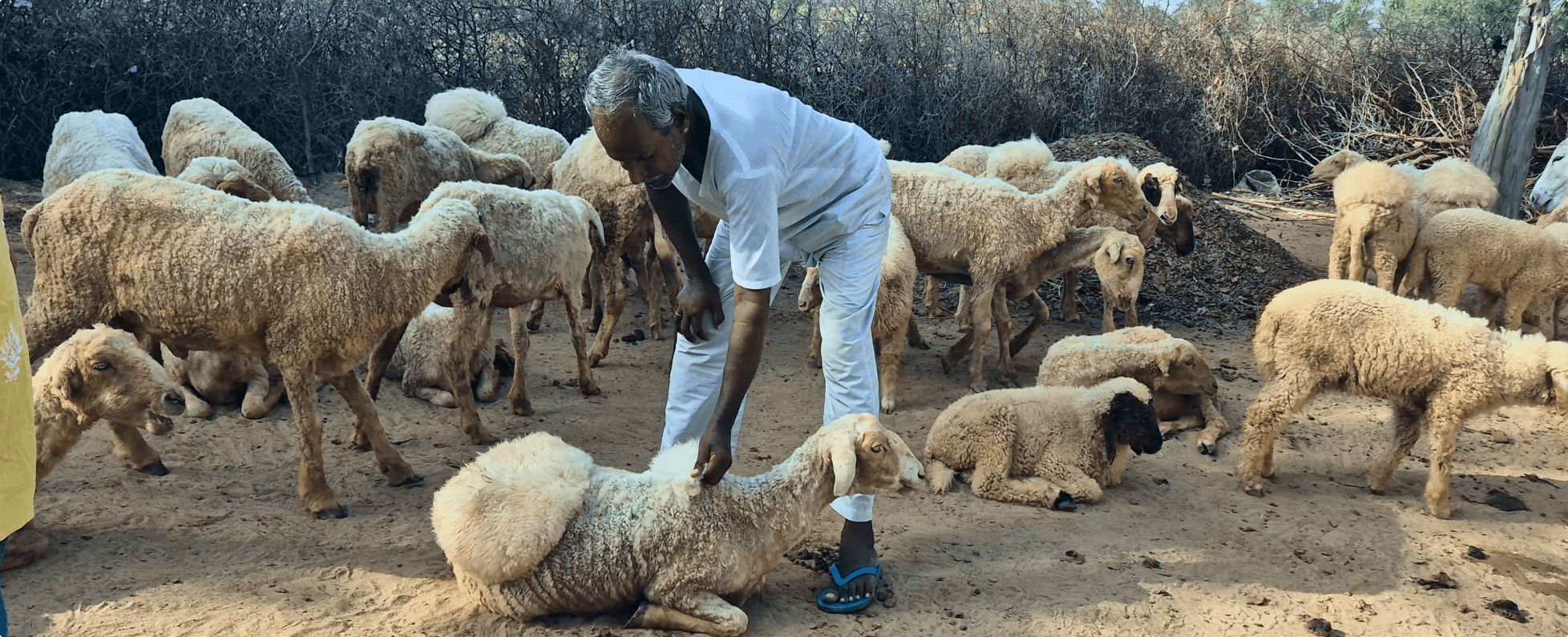
either sourced from shepherds or bought through the wool mandi. Sheep are sheared using hand tools such as the daav, after which the fleece is cleaned to remove dirt, grease, and impurities.

2.

2.

The wool is then opened and combed

The wool is then opened and combed

using tools such as the narai jhaal or carding bow. This prepares the fibre for spinning. Artisans spin the wool on a charkha or New Model Charkha, creating yarn that is later wound onto bobbins.

3.

3.

The yarn moves into warping and weaving,

The yarn moves into warping and weaving,

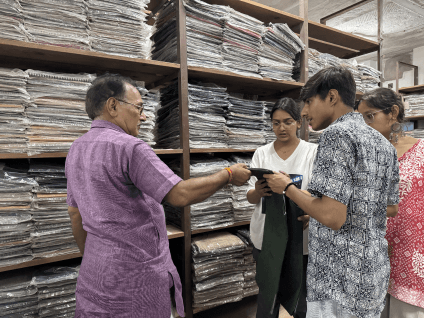
where handlooms are used to create fabric. Depending on demand, the fabric may be dyed, finished, branded, stored, and sold through khadi institutions, retail outlets, designers, or intermediaries.

4.

4.

The process is slow and labor-intensive

The process is slow and labor-intensive

Its handmade quality is visible in the unevenness of the yarn, the texture of the fabric, and the small irregularities that make each piece distinct.

Tools and Materials

Tools and Materials

The craft depends on a set of tools that are simple, practical, and often locally adapted.

The craft depends on a set of tools that are simple, practical, and often locally adapted.

We started the signup with no priors — one field per page, the way any new user would. We noticed, to complete onboarding took over five minutes, which isn’t unreasonable on its own for an app asking you to build a real profile — but a phone number request dropped mid-flow, and personality questions (“would you rather be normal or weird?”) that ignored the intent we’d just selected, made that time feel spent on the wrong things rather than simply spent.

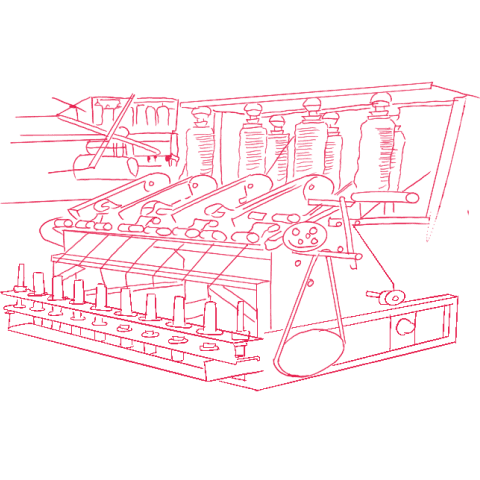
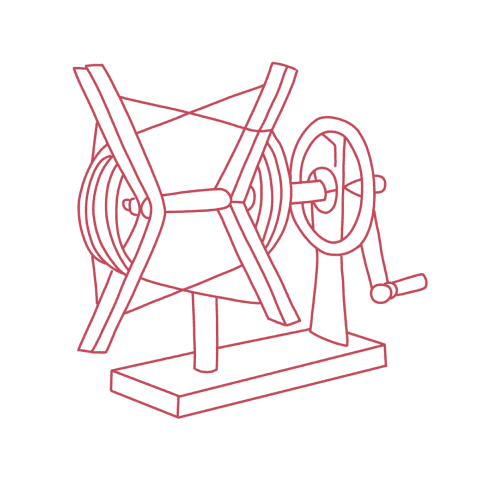
Charkha (Spinning Wheel)

We started the signup with no priors — one field per page, the way any new user would. We noticed, to complete onboarding took over five minutes, which isn’t unreasonable on its own for an app asking you to build a real profile — but a phone number request dropped mid-flow, and personality questions (“would you rather be normal or weird?”) that ignored the intent we’d just selected, made that time feel spent on the wrong things rather than simply spent.

New Model Charkha

We started the signup with no priors — one field per page, the way any new user would. We noticed, to complete onboarding took over five minutes, which isn’t unreasonable on its own for an app asking you to build a real profile — but a phone number request dropped mid-flow, and personality questions (“would you rather be normal or weird?”) that ignored the intent we’d just selected, made that time feel spent on the wrong things rather than simply spent.

Carding Bow

We started the signup with no priors — one field per page, the way any new user would. We noticed, to complete onboarding took over five minutes, which isn’t unreasonable on its own for an app asking you to build a real profile — but a phone number request dropped mid-flow, and personality questions (“would you rather be normal or weird?”) that ignored the intent we’d just selected, made that time feel spent on the wrong things rather than simply spent.

Warping Unit

We started the signup with no priors — one field per page, the way any new user would. We noticed, to complete onboarding took over five minutes, which isn’t unreasonable on its own for an app asking you to build a real profile — but a phone number request dropped mid-flow, and personality questions (“would you rather be normal or weird?”) that ignored the intent we’d just selected, made that time feel spent on the wrong things rather than simply spent.

Spindle

We started the signup with no priors — one field per page, the way any new user would. We noticed, to complete onboarding took over five minutes, which isn’t unreasonable on its own for an app asking you to build a real profile — but a phone number request dropped mid-flow, and personality questions (“would you rather be normal or weird?”) that ignored the intent we’d just selected, made that time feel spent on the wrong things rather than simply spent.

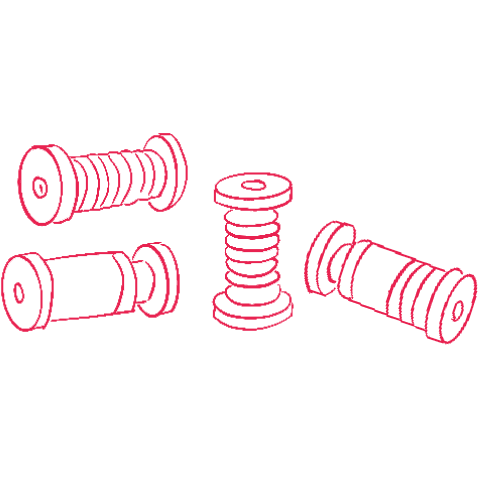
Bobbins

We started the signup with no priors — one field per page, the way any new user would. We noticed, to complete onboarding took over five minutes, which isn’t unreasonable on its own for an app asking you to build a real profile — but a phone number request dropped mid-flow, and personality questions (“would you rather be normal or weird?”) that ignored the intent we’d just selected, made that time feel spent on the wrong things rather than simply spent.

Creels

We started the signup with no priors — one field per page, the way any new user would. We noticed, to complete onboarding took over five minutes, which isn’t unreasonable on its own for an app asking you to build a real profile — but a phone number request dropped mid-flow, and personality questions (“would you rather be normal or weird?”) that ignored the intent we’d just selected, made that time feel spent on the wrong things rather than simply spent.

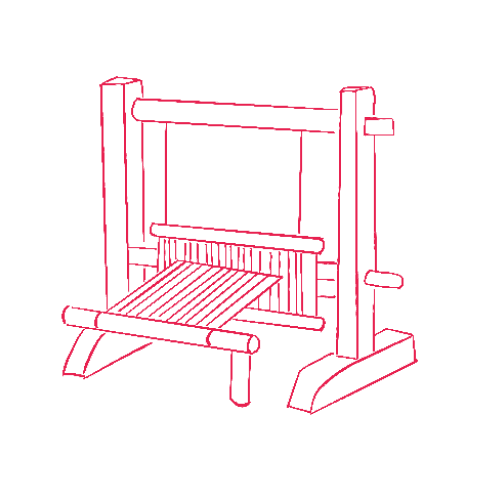
Loom

We started the signup with no priors — one field per page, the way any new user would. We noticed, to complete onboarding took over five minutes, which isn’t unreasonable on its own for an app asking you to build a real profile — but a phone number request dropped mid-flow, and personality questions (“would you rather be normal or weird?”) that ignored the intent we’d just selected, made that time feel spent on the wrong things rather than simply spent.

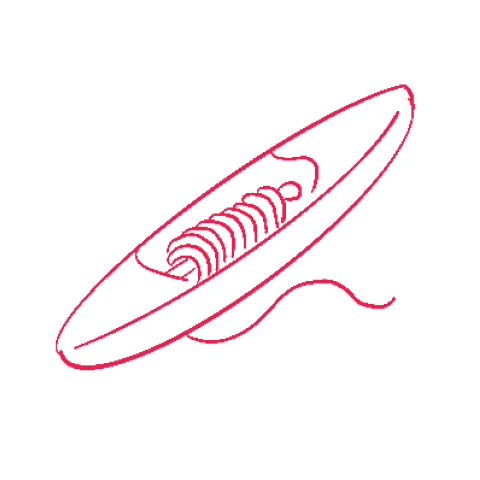
Shuttle

We started the signup with no priors — one field per page, the way any new user would. We noticed, to complete onboarding took over five minutes, which isn’t unreasonable on its own for an app asking you to build a real profile — but a phone number request dropped mid-flow, and personality questions (“would you rather be normal or weird?”) that ignored the intent we’d just selected, made that time feel spent on the wrong things rather than simply spent.

Hank Winding Tool

We started the signup with no priors — one field per page, the way any new user would. We noticed, to complete onboarding took over five minutes, which isn’t unreasonable on its own for an app asking you to build a real profile — but a phone number request dropped mid-flow, and personality questions (“would you rather be normal or weird?”) that ignored the intent we’d just selected, made that time feel spent on the wrong things rather than simply spent.

Steel Rods for Dyeing

We started the signup with no priors — one field per page, the way any new user would. We noticed, to complete onboarding took over five minutes, which isn’t unreasonable on its own for an app asking you to build a real profile — but a phone number request dropped mid-flow, and personality questions (“would you rather be normal or weird?”) that ignored the intent we’d just selected, made that time feel spent on the wrong things rather than simply spent.

System Map

System Map

The khadi wool system does not move in a straight line. It passes through several hands before reaching the market.

The khadi wool system does not move in a straight line. It passes through several hands before reaching the market.

We started the signup with no priors — one field per page, the way any new user would. We noticed, to complete onboarding took over five minutes, which isn’t unreasonable on its own for an app asking you to build a real profile — but a phone number request dropped mid-flow, and personality questions (“would you rather be normal or weird?”) that ignored the intent we’d just selected, made that time feel spent on the wrong things rather than simply spent.

Shepherds supply raw wool

We started the signup with no priors — one field per page, the way any new user would. We noticed, to complete onboarding took over five minutes, which isn’t unreasonable on its own for an app asking you to build a real profile — but a phone number request dropped mid-flow, and personality questions (“would you rather be normal or weird?”) that ignored the intent we’d just selected, made that time feel spent on the wrong things rather than simply spent.

The wool enters the mandi or institutional networks

We started the signup with no priors — one field per page, the way any new user would. We noticed, to complete onboarding took over five minutes, which isn’t unreasonable on its own for an app asking you to build a real profile — but a phone number request dropped mid-flow, and personality questions (“would you rather be normal or weird?”) that ignored the intent we’d just selected, made that time feel spent on the wrong things rather than simply spent.

Traders and intermediaries help move the material forward

We started the signup with no priors — one field per page, the way any new user would. We noticed, to complete onboarding took over five minutes, which isn’t unreasonable on its own for an app asking you to build a real profile — but a phone number request dropped mid-flow, and personality questions (“would you rather be normal or weird?”) that ignored the intent we’d just selected, made that time feel spent on the wrong things rather than simply spent.

Spinners convert fibre into yarn

We started the signup with no priors — one field per page, the way any new user would. We noticed, to complete onboarding took over five minutes, which isn’t unreasonable on its own for an app asking you to build a real profile — but a phone number request dropped mid-flow, and personality questions (“would you rather be normal or weird?”) that ignored the intent we’d just selected, made that time feel spent on the wrong things rather than simply spent.

Weavers produce fabric on handlooms

We started the signup with no priors — one field per page, the way any new user would. We noticed, to complete onboarding took over five minutes, which isn’t unreasonable on its own for an app asking you to build a real profile — but a phone number request dropped mid-flow, and personality questions (“would you rather be normal or weird?”) that ignored the intent we’d just selected, made that time feel spent on the wrong things rather than simply spent.

Khadi institutions or collectives organize finishing, branding, certification, and retail

We started the signup with no priors — one field per page, the way any new user would. We noticed, to complete onboarding took over five minutes, which isn’t unreasonable on its own for an app asking you to build a real profile — but a phone number request dropped mid-flow, and personality questions (“would you rather be normal or weird?”) that ignored the intent we’d just selected, made that time feel spent on the wrong things rather than simply spent.

Designers, brands, local customers, and institutional buyers influence what gets produced

We started the signup with no priors — one field per page, the way any new user would. We noticed, to complete onboarding took over five minutes, which isn’t unreasonable on its own for an app asking you to build a real profile — but a phone number request dropped mid-flow, and personality questions (“would you rather be normal or weird?”) that ignored the intent we’d just selected, made that time feel spent on the wrong things rather than simply spent.

This system creates access, but it also creates distance. The further the product moves from the raw material supplier, the harder it becomes to see who benefits and who remains underpaid.

We started the signup with no priors — one field per page, the way any new user would. We noticed, to complete onboarding took over five minutes, which isn’t unreasonable on its own for an app asking you to build a real profile — but a phone number request dropped mid-flow, and personality questions (“would you rather be normal or weird?”) that ignored the intent we’d just selected, made that time feel spent on the wrong things rather than simply spent.

People Behind the Process

People Behind the Process

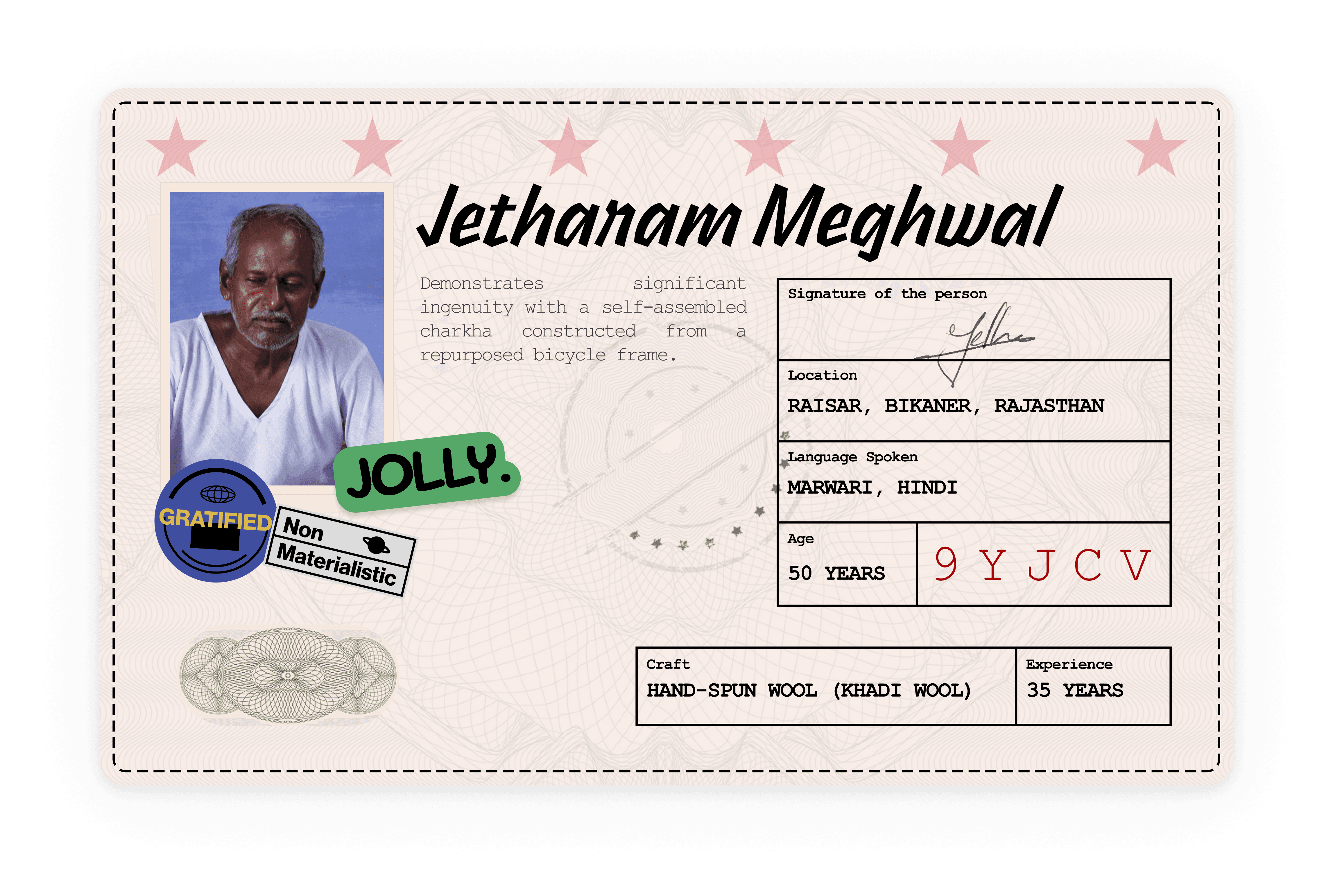
The field study was shaped by conversations with artisans, shepherds, and institutional stakeholders who helped us understand khadi wool beyond the surface of process documentation. Each person revealed a different point in the ecosystem, from raw wool supply to spinning, weaving, organizing production, and institutional distribution.

We started the signup with no priors — one field per page, the way any new user would. We noticed, to complete onboarding took over five minutes, which isn’t unreasonable on its own for an app asking you to build a real profile — but a phone number request dropped mid-flow, and personality questions (“would you rather be normal or weird?”) that ignored the intent we’d just selected, made that time feel spent on the wrong things rather than simply spent.

Key Insights

Key Insights

1.

The meaning of khadi is fluid and distorted.

Khadi is often described as handwoven cloth, but its fuller meaning includes a handmade process from fibre preparation to spinning, weaving, and finishing. In practice, this definition becomes flexible. Some stages may be mechanized, outsourced, or selectively described depending on market needs.

2.

Policy does not always become access.

Government schemes and institutional support exist, but many artisans remain unaware of them or are unable to access them. Some do not have the required identification or information needed to benefit from support systems.

3.

Shepherds remain vulnerable.

Raw wool suppliers face low and unstable prices, rising costs, and competition from imported merino wool. Even though they form the base of the khadi wool supply chain, their returns often do not reflect the value of their labor.

4.

Shepherds remain vulnerable.

Raw wool suppliers face low and unstable prices, rising costs, and competition from imported merino wool. Even though they form the base of the khadi wool supply chain, their returns often do not reflect the value of their labor.

5.

Intermediaries shape the system.

Mediators and organizers help connect artisans to markets, designers, and institutions. At the same time, they also influence pricing, information, orders, and access, making them powerful actors in the ecosystem.

6.

Research fatigue is real.

Many artisans and shepherds have been repeatedly documented by outsiders. This has created skepticism, because documentation does not always lead to visible improvement in their lives. As researchers, this forced us to question what documentation should actually do.

Reflection

Reflection

Before this research, I understood craft documentation as a way to record process, tools, materials, and stories. In Bikaner, I realized that documentation also means paying attention to systems.

This started as a five-minute curiosity — download the app, see what “match %” actually meant — and turned into the longest research process either of us had run. Looking back, three things changed how we’d approach the next one.

A craft is not only made by hands. It is shaped by prices, policies, inherited skill, gendered labor, institutions, market demand, and the invisible negotiations that happen between people.

Khadi wool carries heritage value, but its survival depends on everyday realities: whether shepherds are paid fairly, whether artisans can access support, whether younger generations see value in continuing the work, and whether the market respects the labor behind the cloth.

fin

Up Next

Up Next

Divah

Divah

Supercharge your team’s productivity with NuSync™

>

21:07:11

Jodhpur

>

17:37:11

paris

putting head, hands and heart into products that demands

>

21:07:11

Jodhpur

>

17:37:11

paris

putting head, hands and heart into products that demands

>

21:07:11

Jodhpur

>

17:37:11

paris

putting head, hands and heart into products that demands